

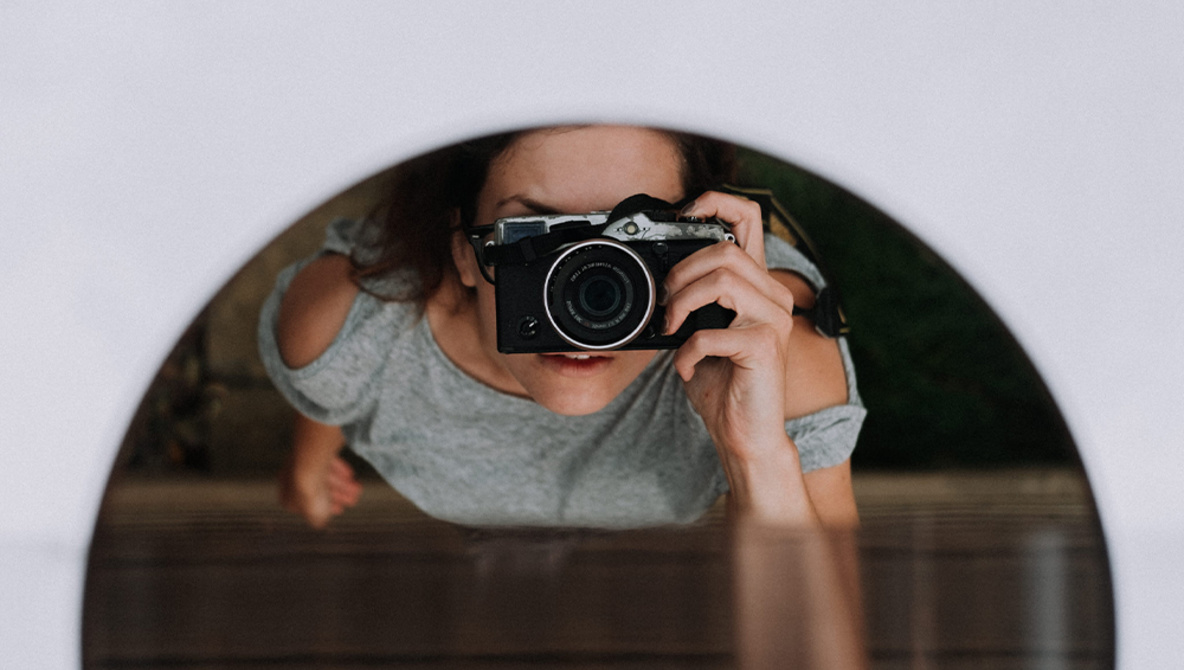
The easiest answer to “why do photography?” would be “money.” But, if that’s not the case, have you ever taken the time to ask yourself if photography is the right thing for you, what you get out of it, and what your reason is for doing it in the first place?
When you look through photographers’ bios on their websites or social media accounts, more often than not, you will encounter the generic “I fell into photography when I was given my first camera, and next thing, I knew it became my biggest passion in life,” or a similar story with a few altered variables. Or, it might be an equally similar scenario where the photographer proclaims their desire to document beautiful moments in life, which is a statement saying everything with the right words but not actually anything of substance, which I have been partially guilt of myself!
So, why is it important for us to ask ourselves: “why do photography?” Can’t we just go through the motions of life and enjoy it for what it is — the so-called passion, perhaps a fleeting hobby for some, a statement or status, something to fill the void? Do we necessarily need to justify what we are doing and what the true reasons are?

If our one and only motivation and reason for doing photography is money, it’s easy to justify why we get out of bed, pack that bag full of gear, and go do our job. If we aren’t necessarily motivated by money, I believe it is beneficial to put some time aside to dig deep and ask these questions to yourself. When it comes to personal photography, analyzing your actions and motivations will help you compartmentalize what you are doing in photography, stop you from getting distracted, and retain this passion or interest for as long as possible.
As with every job in this industry and elsewhere, once we know the reason for the job, we know if it’s for us, we know how to do it, and we know the end product or goal, too. The same applies to personal photography: if you know why you are doing it and if you have an end goal in mind, you will keep your focus, although the motivation may need some work from time to time, as it does in all fields of life. This will also save you money and time spent trying to perfect your photography skills in areas that don’t actually give you any emotional rewards.

For example, in my personal work, I am using photography as a way to express how I feel, how I see the world, or to highlight a specific cause or topic. I used to think that photographers need to do it all and know it all, which resulted in me spreading myself too thin. Instead, I’ve come to terms with how I want to use photography in my personal work, and because of that, I do not try to appease everyone or to fit everyone’s standards, because it is impossible and unhealthy. Instead, I focus on variously sized projects I set for myself that all fall within my reasoning for doing photography and keep me from wasting time doing it to appeal to someone else or to someone else’s idea.
If you are still unsure about your reasons for doing photography, you can start by asking yourself: “am I trying to impress a certain someone or a certain group,” “am I doing this to attract likes, comments, or any other public attention online,” “am I doing this to please myself regardless of what anyone else thinks,” “am I doing this because I enjoy the technical aspects of using a camera,” “am I doing this to fit in with a certain group or individual,” “do I actually get anything positive out of doing photography,” and “do I think this is only a temporary interest?” The sooner you understand your true reasons for doing photography, the sooner you will be able to channel your efforts in the right direction, whichever direction that might be.

If you go months or years without questioning yourself, it is likely that you will end up feeling unfulfilled and fail to find a purpose to keep doing it. Even if that purpose is to simply document your travel memories without going any further into the technical aspects or artistic merits of photography, you will know exactly what you are looking for when you turn that camera on. There is no shame in admitting your real reason for pursuing photography, and you do not need to pursue it a certain way just because others may expect it from you or pressure you, or you may feel obliged from seeing what kind of photographic work receives the most attention online. It is very easy to fall into this trap.
All in all, take a moment to ask yourself what that drive is that urges you to pick up your camera every time. Take notice of it and own it your way. It’s fine to learn new skills or techniques along the way, but if you have no purpose for your photography, you will not be able to apply any of them, because you will end up putting that camera down for good. Just take a minute today to think about what photography brings into your life and how it brings you to life. What would you answer?