


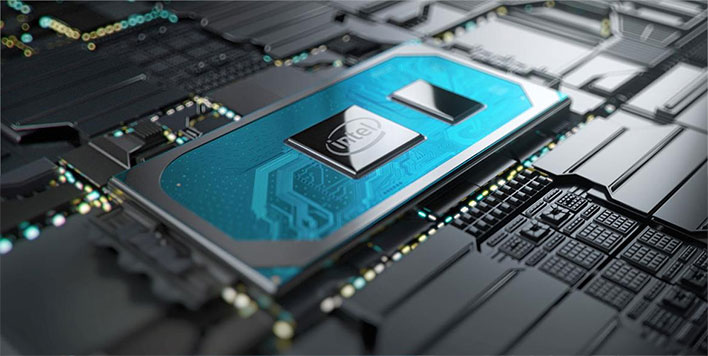
That is not an insignificant improvement, if it should come to pass. To wit, one of the most frustrating aspects of today’s laptops is how quickly the CPUs (and GPUs, for that matter) tend to throttle. This can happen even under lighter workloads. It’s just a tough ask for a laptop with limited space to keep a high-end processor cool enough to power through certain tasks.
It sounds like an innovative design, and it will require some changes on the engineering side. For example, the hinges on a laptop would have to be redesigned to allow the graphite sheet to go through and conduct heat from the CPU area.
In theory, this would allow for even thinner laptop designs. It could also pave the way for fanless designs, though probably only for lower-end laptops—I wouldn’t trust a fanless laptop to keep a flagship mobile CPU cool, no matter how fancy the thermal module design. I also suspect that this could make laptops more lap-friendly, as some of today’s model can get downright hot on the underside.
Intel has not announced anything yet, but if the report is true, we could very well end up seeing new laptop designs trotted out at CES, using the revised cooling scheme. Some of these could end up being soon-to-ship laptops, while others might be prototype designs, as both are common occurrences at CES.
The one limitation to the new cooling scheme is screen flexibility. Specifically, it’s said this could only be used on laptops that open at an angle of 180 degrees or less. In other words, flexible form factors that fold all the way back to function as a tablet or be propped up in tent mode are out of the question. However, that could be just a temporary restriction, as laptop makers (and perhaps Intel) design creative solutions that would allow the cooling design to be used in such devices.
‘).insertAfter(jQuery(‘#initdisqus’));
}
loadDisqus(jQuery(‘#initdisqus’), disqus_identifier, url);
}
else {
setTimeout(function () { disqusDefer(); }, 50);
}
}
disqusDefer();
function loadDisqus(source, identifier, url) {
if (jQuery(“#disqus_thread”).length) {
jQuery(“#disqus_thread”).remove();
}
jQuery(‘
‘).insertAfter(source);
if (window.DISQUS) {
DISQUS.reset({
reload: true,
config: function () {
this.page.identifier = identifier;
this.page.url = url;
}
});
} else {
//insert a wrapper in HTML after the relevant “show comments” link
disqus_identifier = identifier; //set the identifier argument
disqus_url = url; //set the permalink argument
//append the Disqus embed script to HTML
var dsq = document.createElement(‘script’); dsq.type = ‘text/javascript’; dsq.async = true;
dsq.src = ‘https://’ + disqus_shortname + ‘.disqus.com/embed.js’;
jQuery(‘head’).append(dsq);
}
jQuery(‘.show-disqus’).show();
source.hide();
};
function disqusEvent()
{
idleTime = 0;
}