

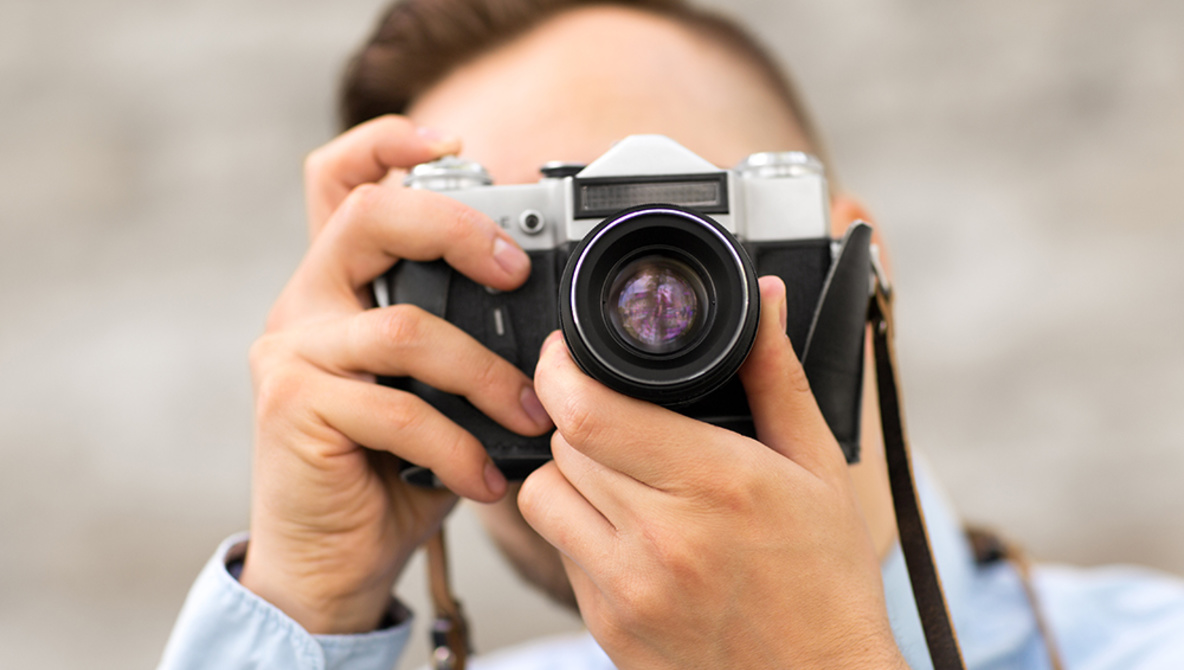
Film photography is enjoying a bit of a resurgence at the moment, with many people flocking to it for reasons ranging from the abundance of cheap used equipment, to the enjoyment of the process, or the look of the results. And while film can certainly be both a fun and rewarding way to shoot, it is important to be aware of its downsides as well, one of them being the fact that it is not friendly to animals.
Film has seen a surge in popularity the last few years, which I personally think is great. Arguments about its viability against digital aside, it is a process that many people seem to enjoy, and if it makes them happy, more power to them. However, film obviously uses vastly different media than digital storage, and it is in this media that the issue arises. Of course, we all have different beliefs about the appropriateness of using animal products, and I certainly don’t mean this article to sound like I’m preaching at you. Rather, if this is something you care about, this article is here to give you more information.
The Ingredients of Film
Film is made of several things. The base is normally made of nitrocellulose, polyester, or cellulose acetate. The emulsion is typically made of silver, nitric acid, and gelatin. The gelatin serves multiple crucial purposes. It works as a binding agent that holds the silver nitrate crystals in place and also holds them to the base. The gelatin is the issue here.
What Is Gelatin?
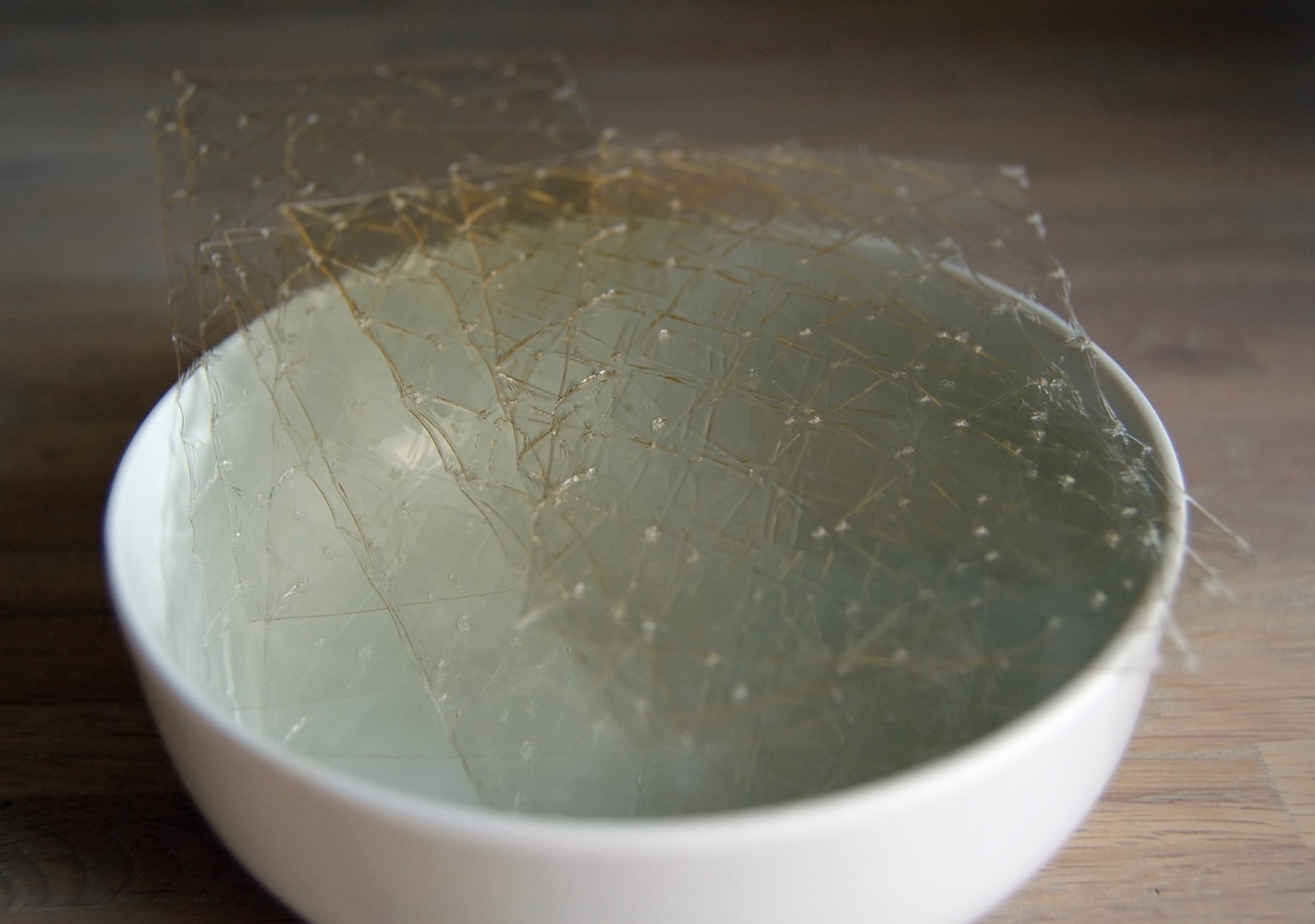
Sheets of gelatin (photo by Danielle dk, used under Creative Commons)

Gelatin is a protein derived from collagen, obtained by boiling the skin, tendons, ligaments, and bones of animals (usually cows and pigs) in water. It has many uses beyond photographic film, including food, medications, cosmetics, and more. Worldwide, approximately 400,000 tons of gelatin are produced every year. Gelatin has been around for centuries, with documents showing its usage in the 1400s. The use of gelatin in photographic film means that it is not a vegan-friendly process.
Why Is There no Vegan-Friendly Film?
In order to create a vegan-friendly film, something other than gelatin would have to be used. The problem is that gelatin has specific characteristics that allow it to function as a structure for the silver crystals to be held in — it is an excellent binding medium. There have been experiments with polyvinyl alcohol and vegetable alternatives, but none have performed as well as gelatin. Without it, Ilford says film would be “fragile, slow, and have a short life.” The difficulty is that any alternative has to fill numerous roles well, ranging from good mechanical strength on dry film, permeability for processing solutions, good drying properties, a strong matrix that keeps silver halide crystals separated, to even more. Thus far, gelatin is the only thing that can aptly fill all these roles.
Alternatives

Time for a throwback (photo by Carlos Teixidor Cadenas, used under Creative Commons)

If you want to try analog photography but want to avoid film, all is not lost, though it is a mixed bag. The best thing you can do is try wet plate photography. The drawback here is that it is not like 35mm film in that you can just drop it in your camera, shoot with it, then mail it off to the lab to have it developed. You are getting into hardcore analog processes here, which means using a large format camera and darkroom techniques. And even then, if you are coating your paper with compounds containing albumin (a globular protein taken from egg whites), you still won’t be totally vegan-friendly, though you might be more comfortable using something derived from egg whites rather than dead animals’ bones, especially if the eggs were sourced ethically. If you really want to go the extra mile, use this recipe and substitute the gelatin with commercially available vegan gel. While this is obviously far more involved than 35mm or medium format film, if you are interested in film photography for the process or the look, it doesn’t get any better or more unique than large format work, at least in my opinion.
Some Good News
It is not all doom and gloom. The good news is that no animal is killed specifically to make gelatin. In other words, animals are not being slaughtered to make photographic film. Rather, gelatin is a by-product of the meat and leather industries, a by-product that other industries then buy for their own uses, such as making photographic film. Furthermore, the amount of gelatin that the photographic industry uses as a proportion of the total is extremely small; Adox estimates it at less than 1 out of 1,000,000,000 (.0000001%). This is both because the film industry is very small compared to some of the others using these byproducts and because it is impressively efficient. Adox says they coat with 3 to 9 grams per square meter of film (which creates 16 rolls), meaning the bones of one dead horse create enough gelatin for over 10,000 rolls of film.
Essentially, this means that while not eating meat can definitely have a measurable impact, it is less likely that not using photographic film will have any sort of appreciable impact. Of course, you can still choose to not use film if that is consistent with your beliefs and what you feel most comfortable with. On the other hand, you might take comfort in knowing that no animals are killed specifically for film, and on a practical level, the impact it makes is quite small. If anything, consider more so the potential environmental impact of the chemicals involved and be sure to act in an accordingly appropriate way.
Conclusion
It is unfortunate that gelatin is used in film production, but at the same time, it is important to know that a lot of research has been put into finding alternatives without much success, as no potential alternatives offer the low cost and stability of gelatin. At the same time, no animals are killed specifically for their gelatin; rather, it is a by-product of the meat and leather industries, meaning the film industry does not cause the direct death of any animals. Furthermore, the amount of gelatin it uses is extremely small compared to total usage. Still, if your impact on the environment and animals is important to you, it is good information to know. There is always the old school wet plate method (with the aforementioned modifications), or you can just stick with digital. Happy shooting!