

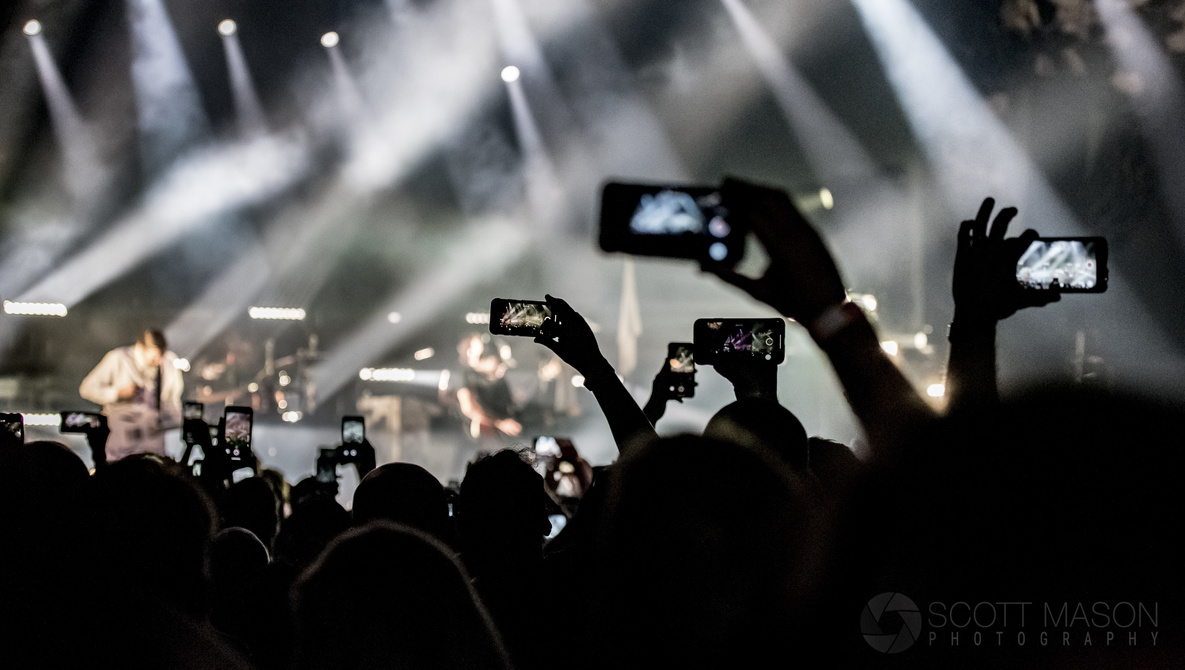
The omnipresence of camera phones and their prospect of “replacing” professional cameras has caused an uneasy stir within the photographic community. And now adding to this agitation are a few professionals who are offering photography workshops based on shooting with smartphone cameras.
Just five years ago, would this even have seemed possible?
The very idea of a “phone photography” class would still seem absurd to many professional photographers. But with advancements in technology coupled with adult smartphone ownership now having passed 80%, more of the public sees these everyday tools as a means of capturing professional-level photos. It’s only natural that more people are are interested in learning how to properly shoot with camera phones, as companies add on more features and customized settings to their mobile gadgets.
Staying current with popular tastes and commercial trends is always a good idea, even as any current trends may involve degrees of error and naiveté. The sophistication of software and features in camera phones is gradually increasing, and once-simple touchscreen features are expanding. Not every camera phone is as fully automatic as it used to be.
A recent Chicago Tribune article features two notable veteran photographers from the Midwest who have embraced the era of camera phone photography and are now offering a crash course in the medium. Classes range from the topics of selecting the proper phone, lighting (assumed natural or “hot lights,”) and properly holding camera phones, to the transfer, storage, and editing of images.
Despite the fact that, given the proper ambient conditions, camera phones can capture impressive images, there are still many limitations holding back these cameras from replacing professional gear. We can expect camera phone limitations to be gradually reduced over the years, but by then professional gear will also have developed further. The race continues on.
An untrained eye is less likely to notice the finer differences between professional gear and camera phones. As for image quality, what’s “good enough” will be acceptable for the majority of today’s online content creators, professional or amateur, and their large or small followings. But nearly all professional photographers and even some non-professionals will remain aware of the important (if sometimes subtle) gap between the image potential of pro and amateur hardware.
How long do we have until professionals might favor mobile phone cameras over their bulkier DSLRs, mirrorless or even compact options? I think this will depend on several factors: the development of sensor quality, ability to sync with strobe (studio) flash, and most importantly, optics. Cell phones still have a long way to go.
Please share your own projections in the comment section below.