

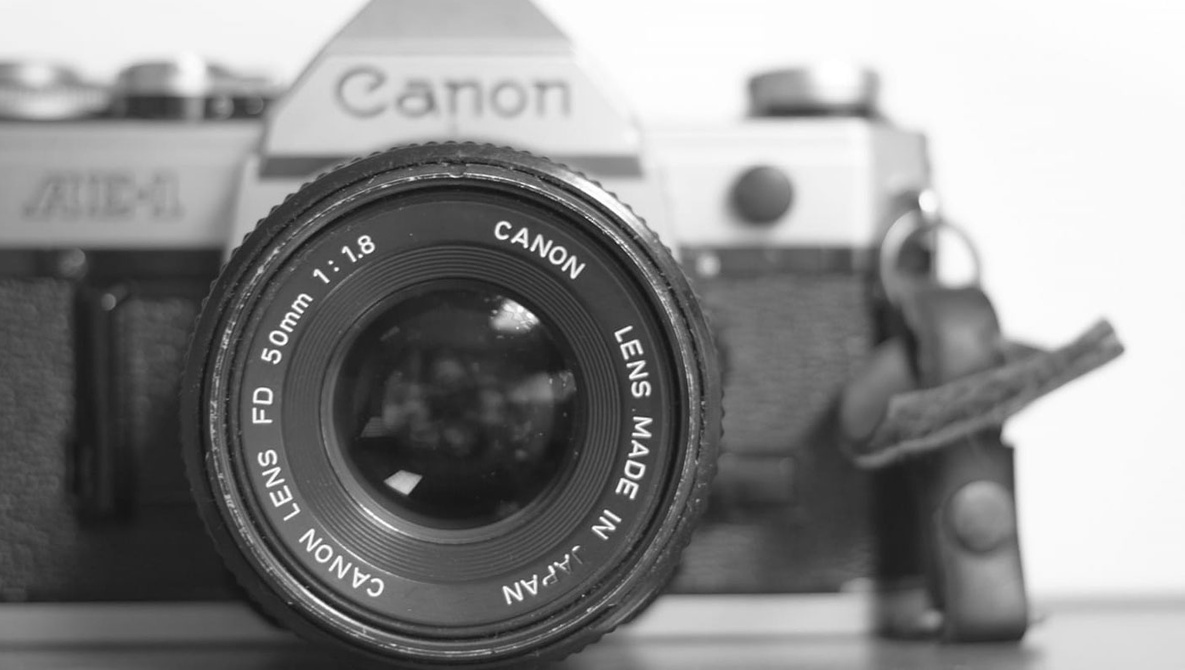
I remember the days when all I wanted was that next piece of gear, one more light, a newer body, the latest tech, the highest pixel count, and the lowest aperture. I was certain I was only one purchase away from better work. I wasn’t, and chances are, neither are you.
Looking back now, I realize that what I really needed was what most people need when they want to improve… better vision. No, not glasses, though I have those now too, but perception and discernment.
When we hunger after gear with the mistaken impression that the hardware, on its own, will improve our work, we ignore the fundamental thing that makes a good photographer: vision. Learning to manipulate the exposure triangle or memorize light patterns doesn’t take that long, but learning to cultivate vision, does.
Vision is a broad word for the way different aspects of photography, like exposure, aperture, composition, lighting, etc. work together to serve the photographer’s creative inspiration, and create a final image. A 70-200mm f/2.8 might give you nice compression, but it won’t make your composition any better, won’t make your understanding of light any more nuanced, and it won’t help you tell a story.
Any time someone sends me work and asks for critique, the first thing I look at are the things you can’t buy. I want to see if there is a story, if the light suits the photographers intention or if it looks haphazard. Is the composition intentional? Do all of the elements in the frame work together, or is the photographer missing the subtleties that take a photograph from fine to great, from great to extraordinary? A new lens or a high-dollar body aren’t going to improve the most important aspect of good photography: the photographer’s mind.
That’s not to say there aren’t legitimate reasons to upgrade, switch, or make a purchase, because there certainly are. But I’ve found that those purchases only become necessary when you already know why you need to make them.
If you’re determined to spend money to improve your photography, then do it in a way that is guaranteed to make your work dramatically better fast: learn from other people. Take classes, attend workshops, find a mentor, buy a tutorial, and shoot as often as humanly possible. Get other people to critique your work and take it seriously, but not personally. Wait to buy the gear until it’s a necessity, until you grow more capable than your gear can keep up with.
Remember, the most important thing a photographer can do is understand why. Why they would choose to use natural vs artificial light, why a certain pose works better than another, why overexposing or underexposing are good artistic choices in given circumstances, why one color palette works and another does not, why hard light might be better than soft, why the composition is unbalanced but still works, and a thousand other ‘why’s’ that will not have an answer until you’ve become intentional with your work. And the only way to become intentional is to learn to see. That’s something a new lens can’t teach you.
Sure, you can learn and buy a new lens at the same time, but please don’t make the purchase under the assumption that your work will suddenly improve by leaps and bounds. It wont. You may even buy a lens you have to get rid of later on when you realize you don’t really care for the popular look of an uber shallow depth of field, but prefer a wide angle with lots of room to tell a story within the frame. Cultivate creativity, improve your vision, teach yourself to see. Let the confines of your current gear force you to be creative and solve problems. Then you’ll know exactly what you need and, more importantly, why you need it.