

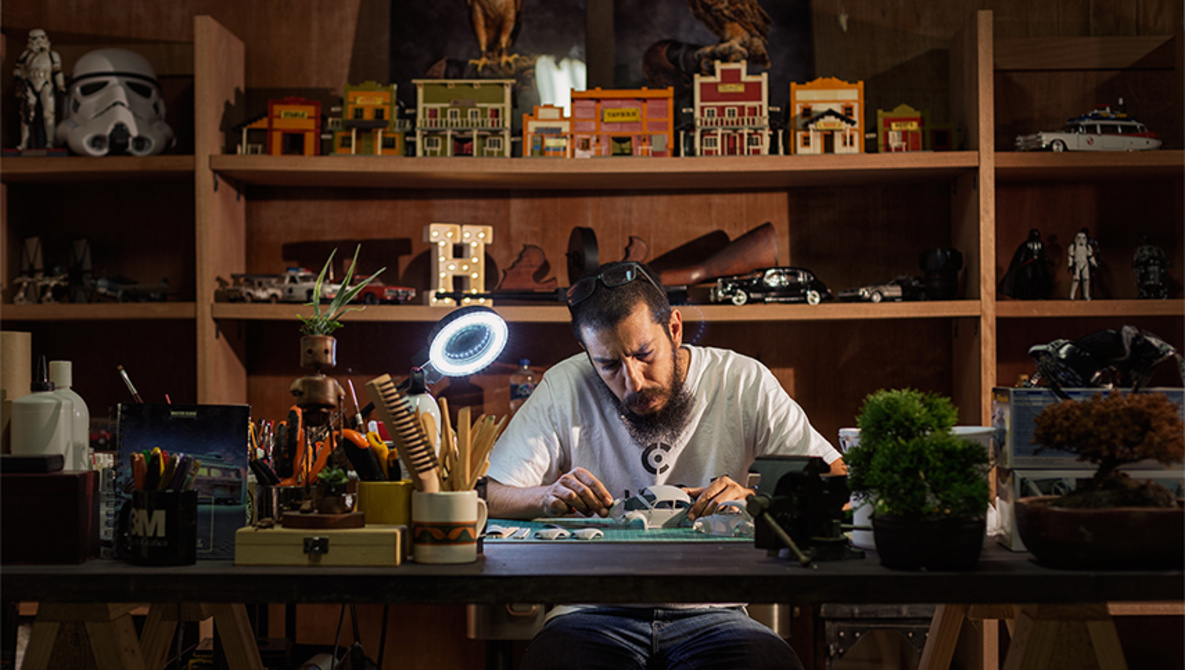
A long-time friend of Fstoppers Felix Hernandez shoots an out of this world cover for Top Gear Magazine. This project is a perfect example of how brands, publications, and artists can collaborate authentically.
Top Gear Cover
Felix is known for creating worlds that often have badass cars flying through them. So it makes a lot of sense for Top Gear to tap him up for there latest cover. Felix was tasked with putting the “Rover” on the moon.
I was involved in ‘enhancing’ the concept by giving advice for the elements and composition for the cover. Preproduction took roughly two months before we shot. I sent them mood boards, reference images, lighting designs, test shots. When the time for production came, we were ready.
The team at Land Rover was able to 3D print a scale model for the shoot. Shooting a real replica of the vehicle makes the images feel familiar and also novel. The real textures of the (fake) moon surface create an authentic feeling and do a great job of selling the fake. Creating this surface took Felix three days to develop. It was made out of pink foam and sculpt mold. Then he added gray dust and rocks he made out of the same materials. Top Gear created this video telling the story of this creative process.
These days brands are fighting for the attention of consumers. Traditional marketing is dying, while the consumption of web content continues to increase. This has made it difficult for brands to communicate their message authentically. That’s why I think partnering with an artist like Felix was a good move for Top Gear and Land Rover. This is because he is a genuine “car guy” and an exceptional storyteller.
Inspiration and Cinema
Scale model photography feels nostalgic because the technique has been used as a special effect in cinema for years. If you look at Felix’s body of work, you will see a powerful influence from classic sci-fi movies. In his own words,
I am fascinated by movies like Star Wars because they used scale models and dioramas to tell their story. I think that that fascination came naturally because I associated it with playing… Just like playing in my room with my toys… but the difference was that they had a camera in their hands to share their ‘play’ (stories) with others.


It’s this playful approach to creativity that gives his work novelty. Playing also reminded Felix of working with his hands.
As a kid, I loved Plasticine, toning my toys, drawing, playing with Lego, etc. Everything I know about model and terrain building, I have to learn myself by doing tutorials, reading, and, most of all, just doing.

New Work & Test Projects
Aside from the beautiful conceptual photography, Felix’s work ethic is second to none. For someone who shoots such a complicated photographic medium, Felix has continued to put out an impressive amount of test projects. Not only is this a marketing tool to attract the type of project he wants to shoot (like the Rover), it is how he builds techniques so he can use them as resources later on.
I’m always looking for different ways to make my images. Always trying new things (at least new to me). So when a commercial or personal project arrives, I’m prepared to ‘attack’ it from different angles. For the kind of projects I do, there is not a single method, they are always changing. You have to be creative, and very often, you learn on the run.
This shows a generous amount of drive. But that’s what it takes to become a high-level photographer, especially now. It is not for the faint of heart. If you want to get into this medium, you will need patience and focus, master the craft of a photographer, and relish in the thrill of experimentation and discovery. But most of all, you will need to learn the workflow from end to end. Starting with the basics of scale model building, studio lighting, and composition. Learning this process will take time and resources.
If you want to create scale model images, but you don’t have the time to learn the art on your own, you can always hire a set builder that specializes in miniatures. This would be the equivalent of hiring a stylist for a fashion editorial. Animation studios like LAIKA and Shadow Machine have had wild success with stop motion content. The amount of people who are experts in building miniatures sets has skyrocketed and will continue to grow in the future as the stop motion industry grows. But good luck finding this specialty position if you do not live in a market that produces a lot of stop motion work like New York, Los Angeles, or Portland.

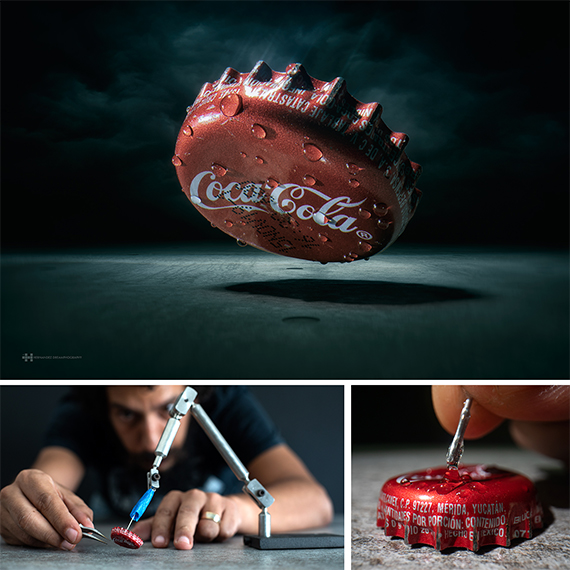

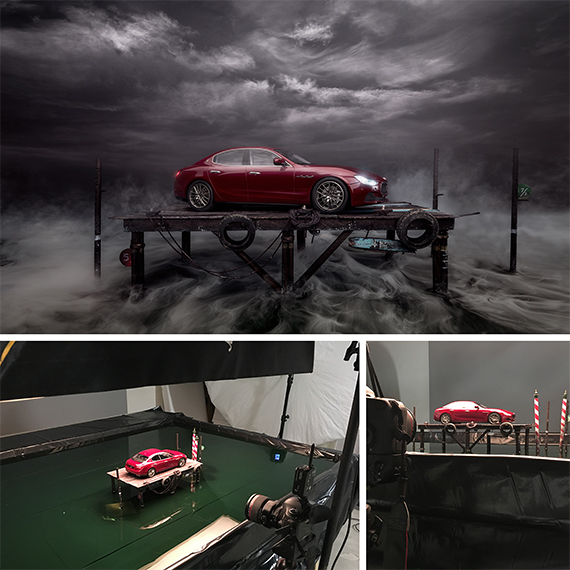
The truth is a lot of photographers prefer to do it on their own, so they can develop their signature look the way Felix has. However, to do so requires commitment and many hours of hard work. These passion projects are also how Felix creates opportunities for himself.
I’m always doing personal projects. They are the best marketing tool, and some of them are licensed or displayed in the galleries. I would say that I do around 8 personal projects a year.
In the end, the techniques you learn will define your work. As a photographer, you are expected to have solutions to visual problems for your clients to help make their product look good, or how to put the “Rover” on the moon. Felix’s body of work is a case study on how to learn those solutions.