

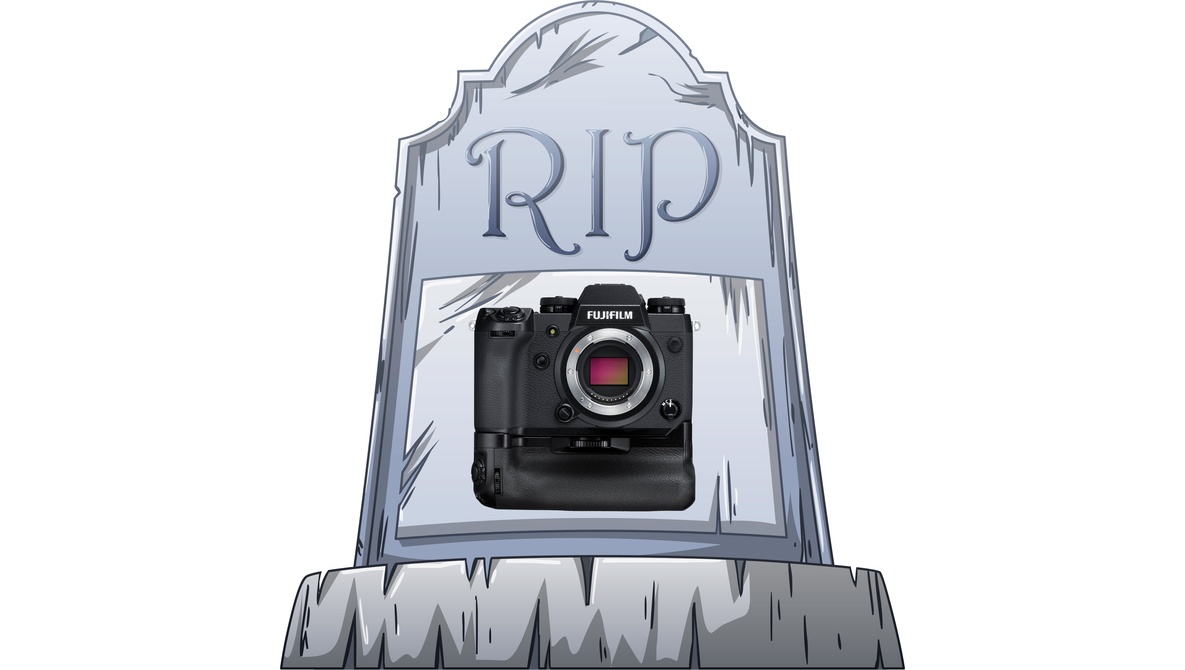
When the X-H1 was first announced, I wrote an article talking about how it was a disappointing release from Fujifilm. My thoughts about that camera haven’t really changed; however, since rumors of the X-T4 started to circulate, I’ve had a think about the H series and where it sits in the line-up.
The main reason why I considered the X-H1 to be a disappointing camera was because it didn’t offer anything significant over the X-T2. Comparing it to the X-T3 makes the X-H1 even less of a compelling option. In short, Fujifilm just didn’t do enough with the X-H1 to make it something that truly stood out.
Fujifilm’s Fragmented Line of Cameras
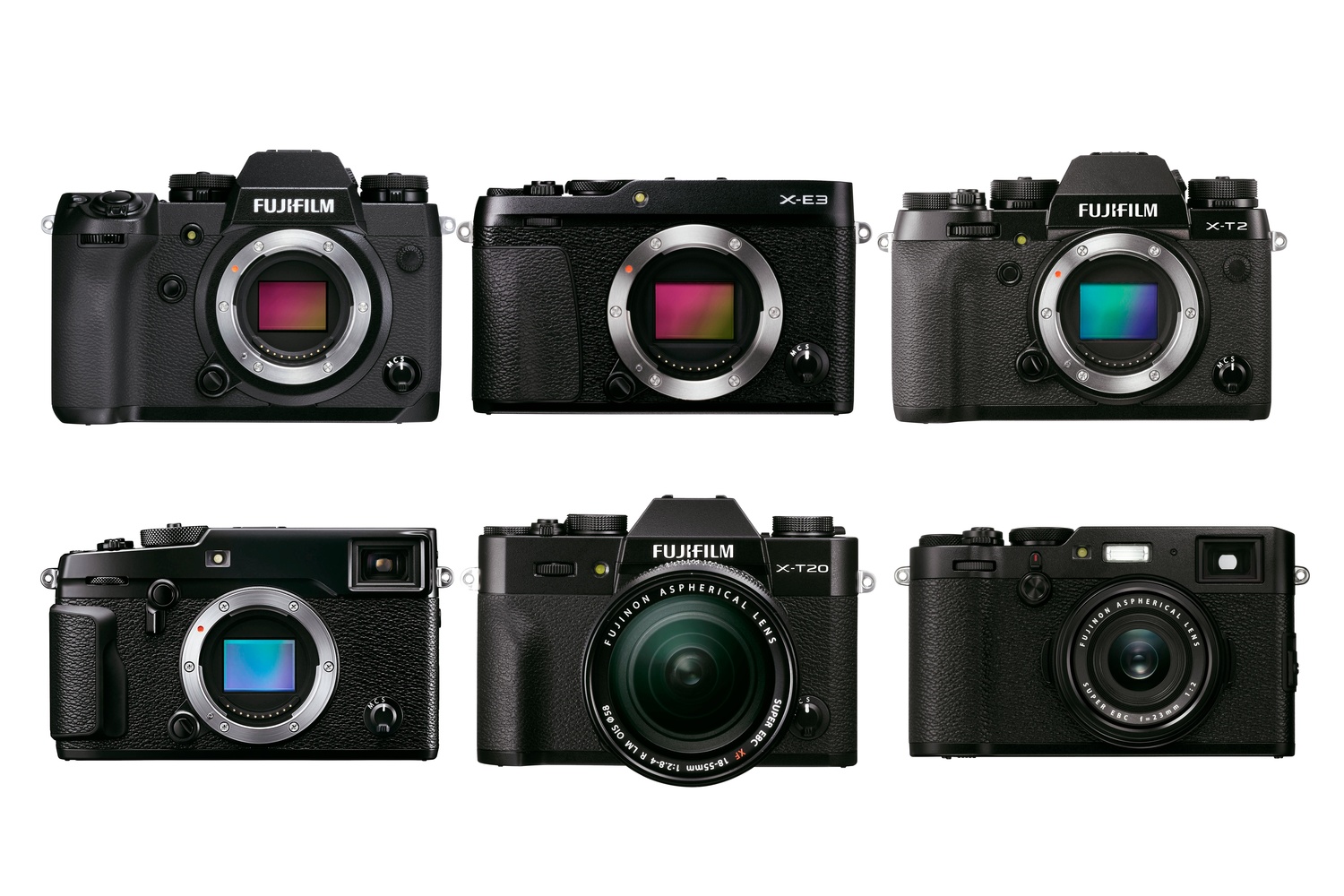
I can’t seem to understand why Fujifilm produces so many variants of the same camera. The X-T2, X-H1, X-T20, X100F, X-Pro2, and the X-E3 are all pretty much the same camera with a few differences. They all have the exact same sensor, meaning that the image quality you’d get from the “entry-level” version versus the flagship is pretty much identical. That’s six cameras from the same company with the same exact sensor. Now, I’m sure someone out there is going to talk about how this is an advantage, but it really isn’t, because it distracts from the flagships. It also means that customers are picking between the most minor of differences.
This was the biggest problem with the X-H1: it simply didn’t and still doesn’t offer enough over some of the cheaper options available from Fujifilm. From a photography standpoint, the X-T3 is noticeably better even without having in-body image stabilization. The camera has much better autofocus in comparison to the X-H1, and it produces better, more accurate colors too. If it’s video features you’re comparing, then the differences are even greater, with the X-T3 being the clear winner.
The incremental differences between each of the Fuji cameras is confusing and frustrating. You buy one Fuji camera, and a few months later, another comes out that is either slightly better or slightly worse at another price point. It’s just not clear, and the X-H1 was the worst to suffer from this.
Did the X-H1 Fail?
Considering the rumors of how Fujifilm may discontinue the X-H series of cameras in lieu of the potentially soon-to-be announced X-T4, one could assume that this camera just didn’t do as well as Fuji had hoped. Based on that, one could classify it as a failure. Having said that, it’s difficult to make an informed call on this right now; however, if it has failed, then it’s easy to see why.
This camera was more of a sideways move instead of an update. Sure, IBIS is a useful feature, but for the most part it’s wholly overrated in real-world shooting. More people, it seems, preferred the feature-filled T3 over the H1, as did I. Very few people seem to prefer to shoot with an APS-C mirrorless camera (with the grip) that’s heavier and larger than a full-frame DSLR camera, especially when the benefits don’t outweigh the drawbacks.
The most frustrating thing about this camera is that it had so much potential, yet its incremental nature is what seemingly killed it.
Should Fujifilm Discontinue the X-H1?
If you asked me this question just over a week ago, I would have said absolutely, without a doubt. I firmly believed that Fuji needed to get rid of this line of cameras and focus on the T series instead. Since then, I had a proper think about the potential of this camera, and I’ve changed my mind. Fuji definitely needs to produce an X-H2, but they need to do a heck of a lot more than simply rehashing the same sensor in a slightly different body. It’s not enough to just add in IBIS or slightly improved video features and think that’s enough. The X-H series of cameras needs to stand out as its own line with clearly defined benefits and features that separate it from all the other cameras.
Ultimately, no, this line of cameras should definitely not be discontinued. Fujifilm just needs to do more with it to realize its potential.
Polite Suggestions for Fujifilm
I think there are plenty of ways that Fujifilm could make the X-H series of cameras a huge success. Here are a few things that I think could work really well for this camera.
Increase the Price
I think Fuji should increase the price of the X-H line of cameras to somewhere between $2,500 to $3,500. The reason is because this allows much more flexibility in regards to the kind of features they can develop for it. If we want incremental updates between different camera lines, then the price can remain relatively unchanged. If, however, we want some meaningful updates for the H series of cameras, then they need to cost more, and they need to target a different market segment.
Most people may continue to buy the X-T3 and the potential 4; however, the X-H line of cameras needs to be a clear step up. Increasing the price is inevitable if we want a much better overall camera system.
The 1D X and D5 Alternative
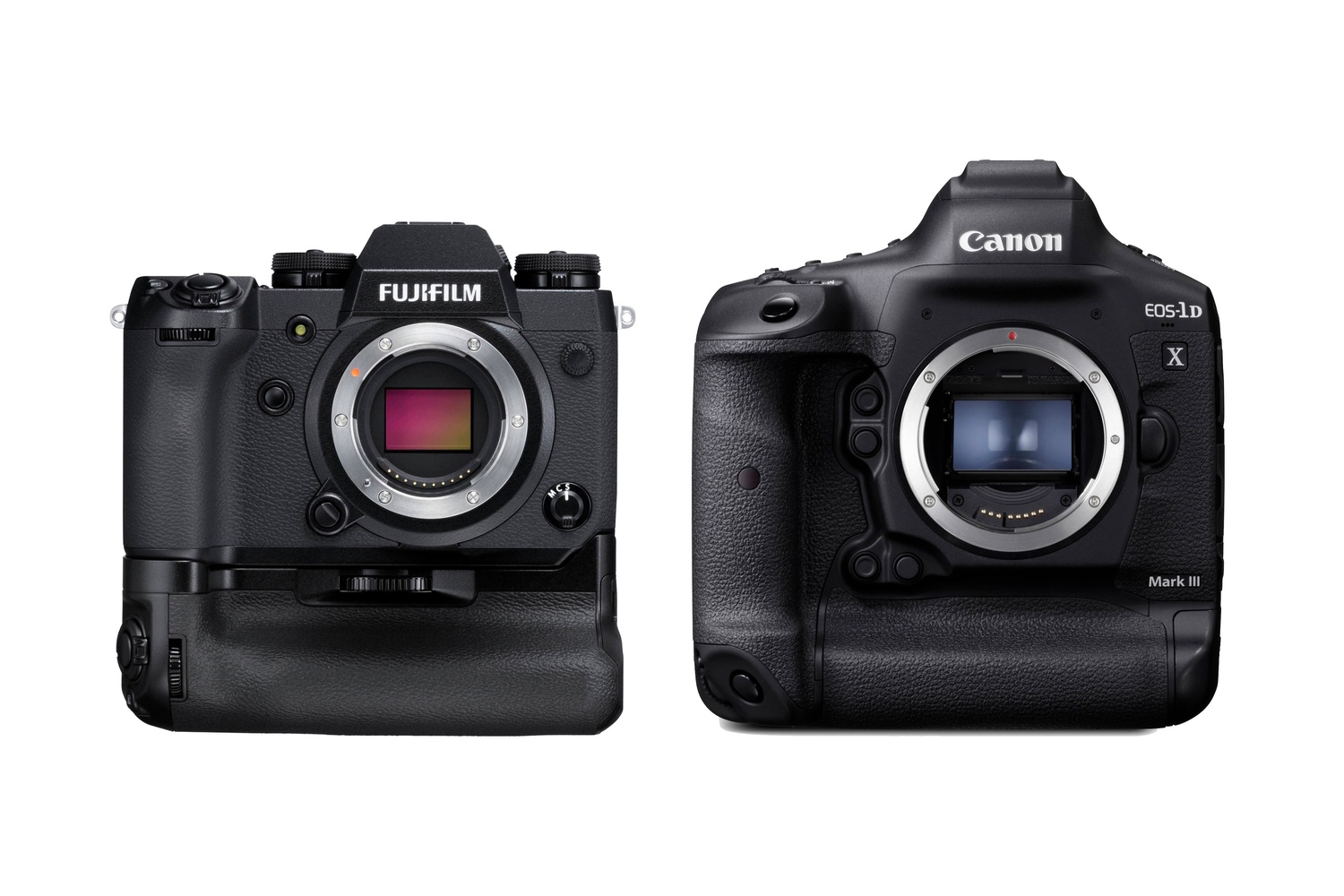
Once the price has been increased, Fuji could produce a camera that actually competes with something like the Canon 1D X Mark III and the Nikon D5. This is where the X-H series of cameras needs to sit. A large APS-C camera with a built-in grip and an X-H specific battery. Nikon and Canon both have specific batteries for their top-end pro cameras, and Fujifilm needs to do the same. The larger body can help them improve battery life beyond anything they’ve produced so far. Another benefit of the larger body is that they can offer better features without the risk of the camera overheating.
Suggested Specifications
- A camera with a built-in grip like the 1D or D5
- A new X-H series-specific battery, which is much larger, like the one in the 1D X III
- 20 fps full raw files with a huge buffer to keep up
- 30 fps for full JPEGs or HEIF files
- Dual CFast or XQD storage options; SD cards are not going to be enough
- A highly improved focus system to keep up with the best cameras on the market
- Improved face and eye detect AF
- High frame rate video without any cropping
- Significantly better weather-sealing and durability
Having a proper competitor to the 1D X III and Nikon D5 at a much cheaper price point would be incredible for Fuji shooters. Currently, Fujifilm just doesn’t have anything remotely close to that level of performance, and that gap could be filled with the H series cameras. Imagine an X-H2 that could be used by professionals to photograph the Olympics.
Lenses
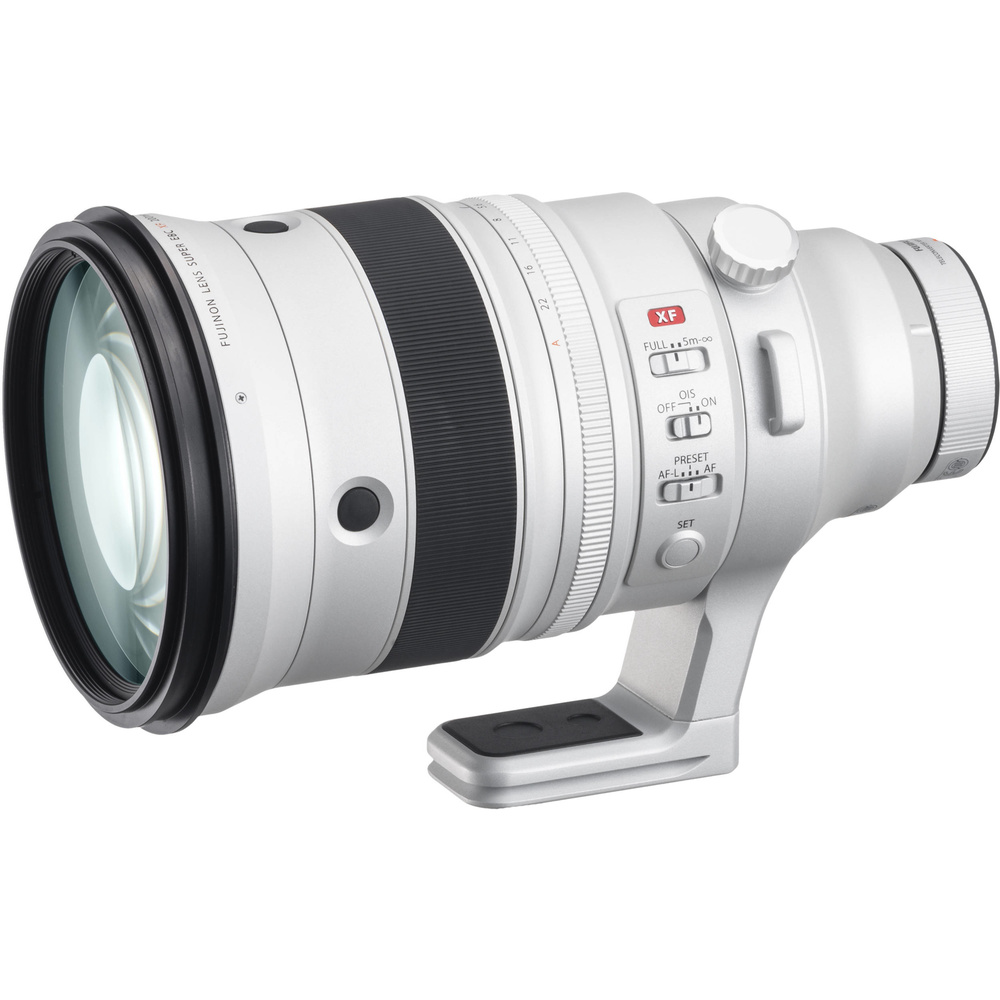 Fujifilm touched on very high-end professional telephoto lenses with the XF 200mm f/2.0. Since then, we haven’t had any new lenses that sit in a similar place. I think Fuji needs to produce more lenses like these for the high-end market that would shoot with it. Now, these lenses would be large and heavy and would require a large and heavy camera body to match. This is what the H series of cameras was essentially built for: a camera with a large body that’s ergonomically effective for larger heavier lenses. For the X-H series of cameras to work, Fujifilm needs to produce more lenses like the XF 200mm. Otherwise the X-H cameras just become bodies full of potential and nothing to help realize it.
Final Thoughts
I admit that I gave the X-H1 quite a hard time, but it deserved it. That was an incremental, confused camera that offered very little over Fujifilm’s other offerings. I have, however, changed my mind since then about how this camera sits in the line-up. This camera has so much potential and could be something far more incredible than anything Fuji has produced so far. Unfortunately, that potential is being wasted right now, and I feel like this is because Fujifilm is trying to play it far too safe.
A potential X-H2 needs to be much more than an incremental update. If Fuji can get this right, then we might see the first ever proper high-end professional APS-C camera, and that, I think, would be incredible.