

“Everybody seems to get it wrong right now, but in different ways,” Karsten Nohl from SRLabs told Motherboard.
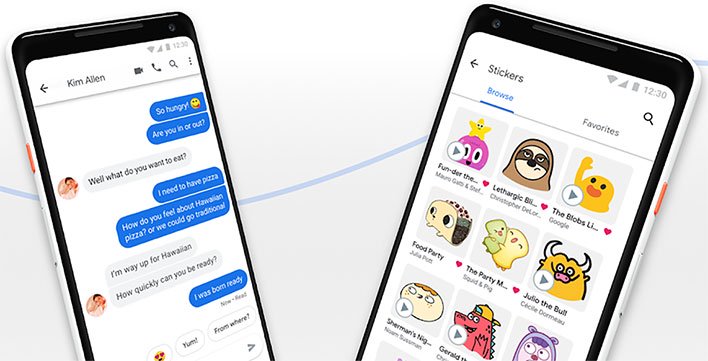
There is a range of ways improperly implemented RCS messaging can adversely affect users. Depending on the vulnerability, RCS can expose a user’s IP address and verify if the person is online, spoof calls and messages, inject traffic and hijack messaging sessions, send file attachments and force an auto-preview, and so forth.
“Depending on the network configuration, attackers can locally and remotely intercept OTP codes sent via SMS, in attempt to authorize fraudulent bank transactions or take over email accounts. This attack revamps the results obtained by hacking the SS7 network, but at a much lower cost,” SRLabs says.
What this essentially boils down to is resurrecting the same mistakes that were made in the 1990s. What’s frightening here is how many people are potentially affected—it’s “upwards of a billion people,” according to Nohl.
“We are aware of the research by SRLabs. We take security very seriously and we have a number of measures in place to protect RCS services. We will review these protections in light of the research and, if required, take any further protective measures,” Vodafone said in a statement.
T-Mobile and Verizon have not issued a statement on the matter, while AT&T and Sprint are directing inquiries to the GSM Association (GSMA).
SRLabs plans to provide more details on its findings at BlackHat Europe 2019.
‘).insertAfter(jQuery(‘#initdisqus’));
}
loadDisqus(jQuery(‘#initdisqus’), disqus_identifier, url);
}
else {
setTimeout(function () { disqusDefer(); }, 50);
}
}
disqusDefer();
function loadDisqus(source, identifier, url) {
if (jQuery(“#disqus_thread”).length) {
jQuery(“#disqus_thread”).remove();
}
jQuery(‘
‘).insertAfter(source);
if (window.DISQUS) {
DISQUS.reset({
reload: true,
config: function () {
this.page.identifier = identifier;
this.page.url = url;
}
});
} else {
//insert a wrapper in HTML after the relevant “show comments” link
disqus_identifier = identifier; //set the identifier argument
disqus_url = url; //set the permalink argument
//append the Disqus embed script to HTML
var dsq = document.createElement(‘script’); dsq.type = ‘text/javascript’; dsq.async = true;
dsq.src = ‘https://’ + disqus_shortname + ‘.disqus.com/embed.js’;
jQuery(‘head’).append(dsq);
}
jQuery(‘.show-disqus’).show();
source.hide();
};
function disqusEvent()
{
idleTime = 0;
}