

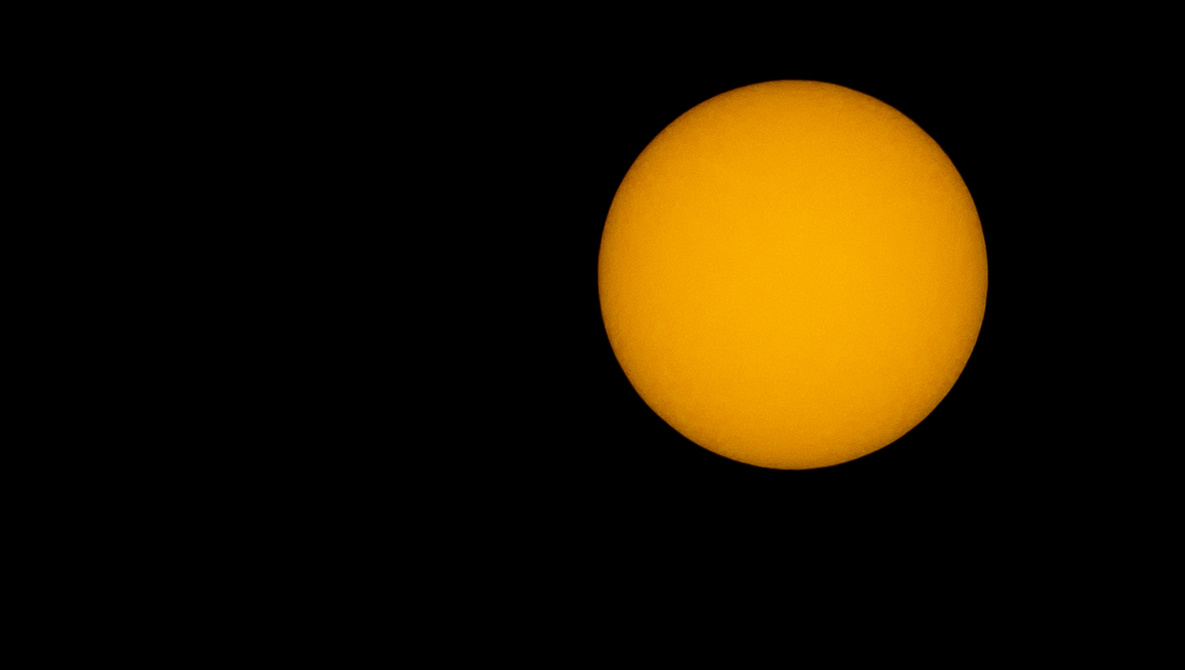
Whether you are looking to get into astrophotography or take your skills to the next level, 2020 has lots of great astronomical events happening all over the world. Planning in advance and being in the right place at the right time is the first step to getting amazing shots.
What the backyard astrophotographer can achieve these days is pretty impressive, and there are all kinds of photography and astronomy gadgets that can improve just what is possible; for example, check out my review of this star tracker. However, most of us already have everything we need to start taking pretty great images of things like the sun and moon, Milky Way, meteor showers, and more. The most important step in getting great astro images is planning ahead of time instead of hearing about an event on the news and running out the door at the last minute. Planning lets you do research and maybe even some test trips. Scout out the best locations for landscape photography with PhotoPills or the nearest dark sky location with Dark Site Finder. Some events are only viewable in very specific locations, while others can be seen from anywhere. So, it is important to know when and where are the best times to photograph them.
Here is a basic calendar of a variety of astronomical events, mostly ones that can be seen with basic equipment to help get you started. The year starts off a little slowly, but really picks up in the fall moving into December.
January
- 10th: First full moon of the year, often referred to as the full wolf moon
- 10th: Penumbral lunar eclipse visible in Europe, Africa, and Asia
- 24th: New moon
February
- 9th: First super moon of the year
- 18th: The moon will pass in front of Mars, making for a pretty cool photo opportunity
- 23rd: New moon
March
- 9th: Full moon and super moon
- 24th: New moon
April
- 7th: Full moon and super moon
- 8th: Largest super moon of the year
- 22nd, 23rd: Peak of Lyrids meteor shower
May
- 6th, 7th: Peak of Eta Aquarids meteor shower
- 7th: Super moon
- 22nd: New moon
June
- 5th: Full moon
- 5th: Penumbral lunar eclipse visible in Europe, Africa, and Asia
- 21st: New moon
- 21st: Annular solar eclipse visible in Central Africa and Southern Asia
July
- Peak of Milky Way galactic core visibility
- 5th: Full moon
- 5th: Penumbral lunar wclipse visible in North America and South America
- 14th: Jupiter at opposition
- 20th: New moon
- 20th: Saturn at opposition
- 28th, 29th: Peak of Delta Aquarids meteor shower
August
- 3rd: Full moon
- 12th, 13th: Peak of Perseids meteor shower
- 19th: New moon
September
- 2nd: Full moon
- 11th: Neptune at opposition
- 17th: New moon
October
- 1st: Full moon
- 7th: Peak of Draconids meteor shower
- 13th: Mars at opposition
- 16th: New moon
- 21st, 22nd :Peak of Orionids meteor shower
- 31st: Full blue moon
- 31st: Uranus at opposition
November
- 4th, 5th: Peak of Taurids meteor shower
- 15th: New moon
- 17th, 18t: Peak of Leonids meteor shower
- 30th: New moon
- 30th: Penumbral lunar eclipse visible in North America and Northeast Asia
December
- 13th, 14th: Peak of Geminids meteor shower
- 14th: New moon
- 14th: Total solar eclipse visible in South America, specifically central Chile and Argentina
- 21st: Jupiter and Saturn great conjunction
- 21st, 22nd: Peak of Ursids meteor shower
- 30th: Full moon
What events this year are you looking forward to? Did I miss anything you think should be added?
If you are interested in learning more about astrophotography, I’ll be teaching a workshop at Palm Springs Photo Festival this May, taking photographers out to Joshua Tree. We will also have a bunch of star trackers on hand to test and play with during the event if you’ve ever wanted to see what they are all about.