

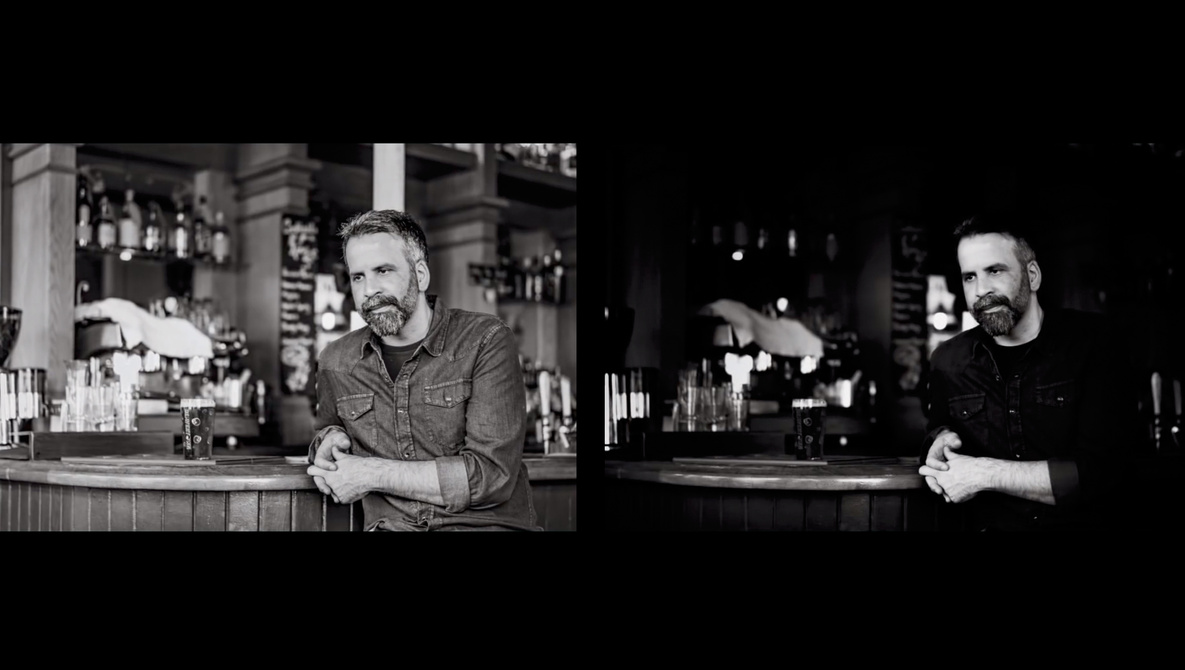
What makes an image evolve from a great piece of art to a masterpiece? Is the value of an image defined by the ability to see every detail, or is it the intention and where those details are and aren’t where the greatness truly begins and where light and mystery meet?
Coming from Jamie Windsor is an easy breakdown of a not-so-easy subject, the chiaroscuro technique with one of its masters highlighted: Michelangelo Merisi da Caravaggio (1571-1610) or simply, Caravaggio. The use of chiaroscuro goes back over 400 years to the end of the Renaissance and the emergence of the Baroque period with an emphasis on realization of the 2D palette into a more 3D realistic image.
Though Windsor gives a general understanding in the video of what chiaroscuro is, he shows several images that actually would be considered tenebrism, meaning murky and used for effects like dramatic lighting in a scene. Chiaroscuro is the effect of shading to render an image that is 2D into a more realistic 3D image, and therefore, the two techniques are different. Chiaroscuro will show shadow detail in a scene while images that show the style of tenebrism will have parts of the image rendered to black so the subjects stand out to the viewer in dramatic contrast.
So, how does this matter to dynamic range and our cameras today and why would it be a culprit in poor images? When post-processing with a heavy hand, you can inadvertently lose the emotional context or impact of an image. Many see that “saving the shadows” as part of a great camera, but if we didn’t see that image in that way in the first place, we may forget that the impact of the image is directly from the shadows around the subject matter.
One of the tropes that many new artists ignore is valuing what came before and learning the rules of portraiture, lighting, posing, and the use of the human form. The rules are made to be broken when they get in the way of the subject or story you’re wishing to portray. With light being our brush, it takes a level of restraint and understanding to value the shadows as much as the light.
If you enjoy Caravaggio, definitely check out David Edmonson’s work based on Caravaggio and the chiaroscuro technique.