

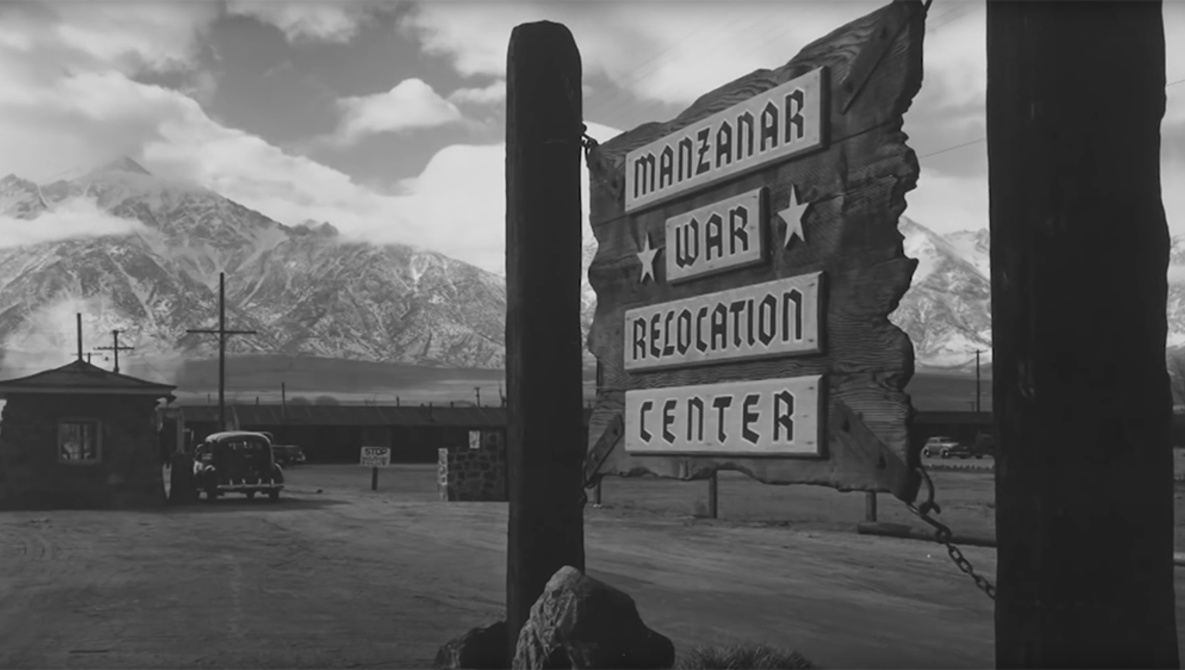
KCET’s “Lost LA” does deep dives into the lesser-known history of Southern California. In a recent episode, photography takes center stage as they tell the story behind some of the most famous images from one of the darkest chapters in American history.
Nowadays, one of the most popular genres of YouTube videos or photo articles is to have multiple photographers shoot the same subject. It’s a fun exercise and always worth a watch. The overarching point of the videos is to show how we, as photographers, all see the world in our own unique way and how it affects the final result. But such disparities in artistic voice play themselves out in the real world as well. Photography is one of the most powerful tools for truth ever created. But it remains in the hands of the photographer to convey the most honest truth possible, while sometimes battling against the limitations of distribution channels to share the most pure version of those images with the public.
As America entered World War II against the Axis powers of Germany, Italy, and Japan, the United States betrayed its own ideals in the presumed name of national security. The U.S. government rounded up all those of Japanese heritage, citizen and non-citizen alike, and confined them to internment camps regardless of guilt or innocence, forever changing the lives of the victims. The subject of internment and the horrors visited upon a section of the United States population is well documented and far beyond my abilities to adequately summarize in a short article on Fstoppers. So, I will not even begin to attempt to do so here. Although, if it’s a history you are unfamiliar with, it would be worth your time to do some research and watch one of the many documentaries on the subject.
What I would like to do is to strongly encourage you, as a photographer, to take some time out to watch KCET’s new episode of “Lost LA,” where the host visits Manzanar, perhaps the most famous of the camps, to speak specifically about some of the best known photographs that were taken during that period, their histories, and the way the images of Manzanar were greatly influenced by who was behind the camera.
The photographers’ names include ones you likely know, like Dorothea Lange and Ansel Adams, and one you may not know, incarceree Tōyō Miyatake, who bravely smuggled a lens into the internment camp before going about building an entire camera from scratch with materials found around the camp grounds. Just seeing how that camera is built is worth a watch in and of itself and a testament to the human will to create. It also provides a unique insider perspective versus those produced by Lange and Adams.
For a true understanding of how vision and voice affects the work we create, do yourself a favor, and take a bit of time to check out KCET’s “Three Views of Manzanar.”