

I read articles on here all the time about wedding photographers losing all of their gear while traveling, break-ins at studios, and general destruction of camera gear. In spite of all of this, I decided to cancel my equipment insurance.
Yes, I am still insured to the eyeballs in many other ways, but my gear insurance had got to a monthly payment point that was just eye-watering. My gear is insured old for new; in the UK, this is pretty much standard practice, as it saves the hassle of looking for the used value of kit and arguing over it. You pay more, but it’s a good deal should anything bad happen.
How Much Gear Do I Own?
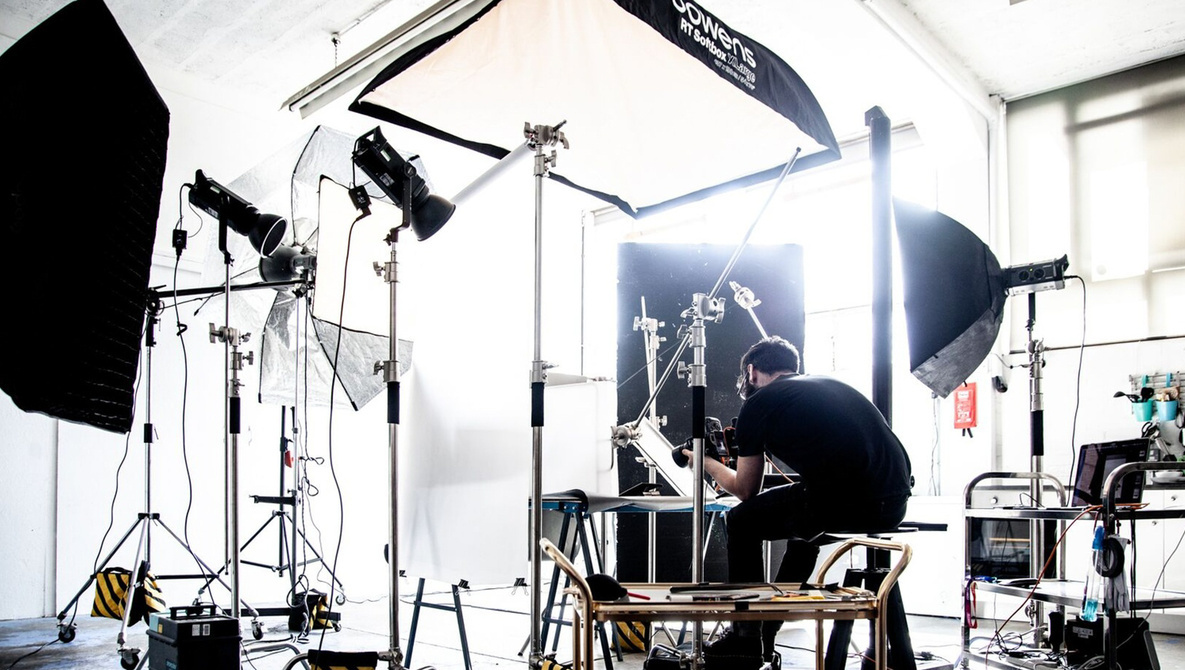
I own a lot. Not just a bag of lights and a bag of cameras, I am talking flight cases piled upon flight cases of gear. And yes, if I upgraded it all to the latest versions like my insurance does, it would be worth a small fortune. However, having recently had to have everything valued at its actual price, I had a bit of a shock. Replacing all of my gear with actual like-for-like gear really wouldn’t cost all that much. I tend to buy high-quality equipment where I can, and the benefit to this is that it lasts for years and years. Mix that with the lack of camera progression for still life studio photographers since about 2008, and you suddenly find yourself the proud owner of a lot of old gear.

What Can Go Wrong?
Cameras break for a million and one reasons, and they get stolen, as do lenses and lights. However, a massive studio salon stand isn’t really going anywhere. Neither are some of my monstrous light stands. So, not everything is at a high risk of needing to be claimed on. Yes, a fire could bring the studio down, but to be honest, those stands being covered is the least of my worries. A lot of this decision was based around looking at worst case scenarios. Questions like “If I lost everything today, what would it take to be operational by tomorrow?” Most of the answers were not as expensive as I had been led to believe.
What Was I Insuring?
Over the years, I have been insuring against the highest value of equipment that my kit has ever fetched. There is no devaluation in the type of insurance I have. I am sure it is possible to insure like for like when you only have a bag of cameras, but when you have so many lenses that you often forget you own them (I have rented lenses and then found I already have them in the past) and so many lights that they are stored in flight cases that could fit an adult, the options that you have change, as do the prices. So, for a decade, I have been insuring against items that have a value that I don’t actually need to get my job done. Buying the latest Canon camera won’t make any difference to the work I do.

How Am I Protected Now?
So, the money I was paying to an insurance company is now going into a savings account. The savings account has a sum of money within it that bails me out should everything vanish overnight. I could buy all of the gear I need to get me up and running again straight away. These purchases would be secondhand and not brand new, so like for like, unlike old for new. After six years, this account will have enough money in it to replace everything of importance brand new or to buy everything I own several times over.
This is obviously not a foolproof plan, nor is it a plan that anyone should take on without consideration. However, work out how much you are currently paying on your insurance per year. Work out what the current used value of your kit is, and have a look to see if that money is sat aside somewhere already. If so, it might be something that you want to look into. If you find that you have no savings and a lot of valuable equipment, then sticking with traditional insurance is probably the best plan of action.