

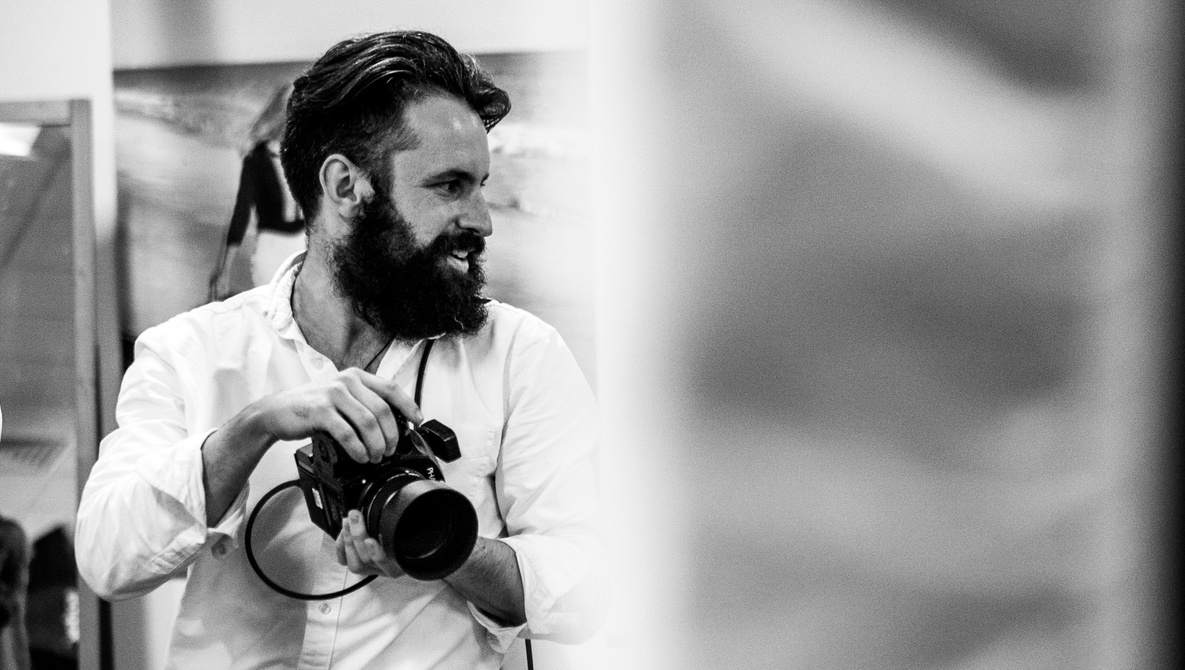
Being a photographer comes with perils that only fellow photographers can relate to. Here are 7 things that only photographers care about on set.
Physics
Let’s start with the biggest one. Creative directors rarely care about the laws of physics. All they want is the final image. Trying to explain to someone that they can’t have even lighting with dramatic shadows that is hard, specular, whilst remaining soft and diffused can be tricky. Working out what is done in post and what is a lighting job and translating that to your client is really the crux of most commercial shoots. It is rare that you have a director who is concerned with physics, but I guarantee that every photographer does.
Is it Sharp?
Sharpness isn’t everything, but in certain applications it is important. This is particularly important if a client says “ We are not sure on the use of this image yet” as you may find yourself needing a pretty extreme crop later on. I am forever being told off for zooming in by stylists or directors when we are checking for critical focus. It is certainly something that only photographers think and care about, until it becomes a problem.

The Backplates and Post Production Options
This won’t be relevant to all types of photography, but as a food photographer is it vital to shoot backplates. There are often many links in the chain between the client, agency, and myself. There could be brand alliances that are broken post shoot, items that are no longer wanted nor relevant, or a host of reasons as to why the hero of a flat lay now needs to be moved to the other side of the shot. Having a solid backplate taken both at the start and end of set up is so important. It can often feel to the client that we are slow, but it would be far more catastrophic if we didn’t have this in place when they had alteration requests.
The same goes for post production. I often check in with a digital tech to make sure we have the options that the client may want. A lot of people assume that anything is possible with Photoshop, and maybe it is. However, to keep it cost effective and also looking realistic, we often do test edits before moving onto the next shot to avoid any nasty surprises later in the day.
Backing Up
Shooting with a big camera often means only writing to a hard drive when tethering. With massive 100 megapixel files and and plenty of test shots, this often means doing large data moves throughout the day. I personally try to move files to a “transit” drive after each image is finished and then have someone move it to my main system in the office. This obviously takes a few minutes and is something that I need to be fully focused on to avoid any mistakes. I’ve often found a pen tapping director nearby wondering what the delay is.
We have all read the many horror stories on about photographers losing entire shoots due to a poor back up practice. In my studio is isn’t too complex, but when we are abroad and out on location rather than in the comfort of a studio this becomes more time consuming and important.

Lunch and Home Time
Some people work through lunch or don’t eat it at all at their 9-5 desk job. However, a photoshoot is not a 9-5 job. If we are shooting 9-5 that means I had my breakfast at 5:30am and will probably leave the studio around around 8pm, if we stop shooting at 5:30pm. The importance of finishing on time is one that weighs heavy on my mind. Sure I can shoot until 11pm if I have to, and some clients push for that. In my early days I often fell victim to it. However, that shoot might be their big shoot of the season, but it might also by my Wednesday and I might be at the other side of the country the following day for someone else’s important shoot, or out of the country a few days later. As I have made it into my 30s I have certainly felt the build up of fatigue to be more pronounced than in my 20s so keeping on top of this is more important than ever.
This is also prime stupid time. When you work for too long you end up over writing a back up with the wrong files, leaving a lens in the kitchen that you needed to be packed into a case for the next days shooting, or as I did last time, accidentally turning the heating up to 30 degrees in the middle of summer before a 5 day trip away (it was tropical on my return).
Delivery Format and Method
When ever left to chance this will be wrong. I have sent Wetransfer to places where their sever blocks it, TIFF files that are monstrous that have brought down the council’s servers and all manner of daft assumptions that in the end have left me re-exporting and sending in time that I do not have allocated to the job.
Knowing the file format, address to send to, and the method in which they would like to receive them is such a great time saver.

The Deadline
There are several reasons that you need to be concerned about this. You need to get the deadline in writing. Firstly, this lets you know how much you can fix in post and what you need to get sorted in camera. If there simply isn’t time for Photoshop wizardry then you want to make that glass immaculate in camera rather than falling back on fixing any smudges in post. You also need to know if you need an editor on site to be able to meet the deadline.
Then there are the clients who move the goal posts. I have been on shoots with a 7 day turn around to be told that they now need it next day. I fell foul once when the only agreement to timings was via a phone call, so I had to suck it up, call in an editor and sit with them throughout the night before turning the images in and making my way to the next job, which thankfully was only a few hours away. Make sure that you have these things in your contract and that you also educate the client that just because you need a day to edit, that it doesn’t mean that you are free to take that day anytime soon. This is especially important for last min bookings.
What would you add to the list?