

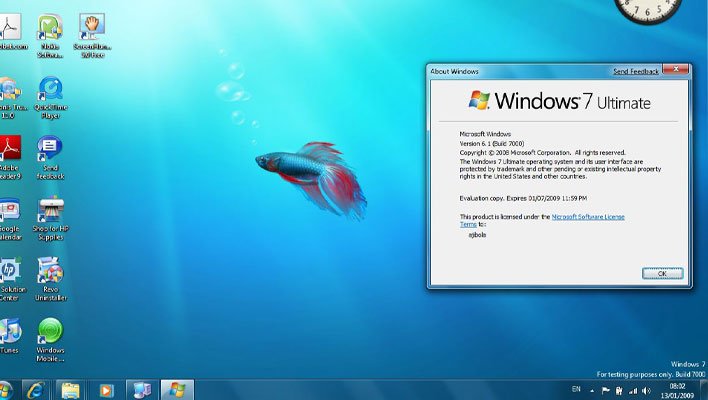
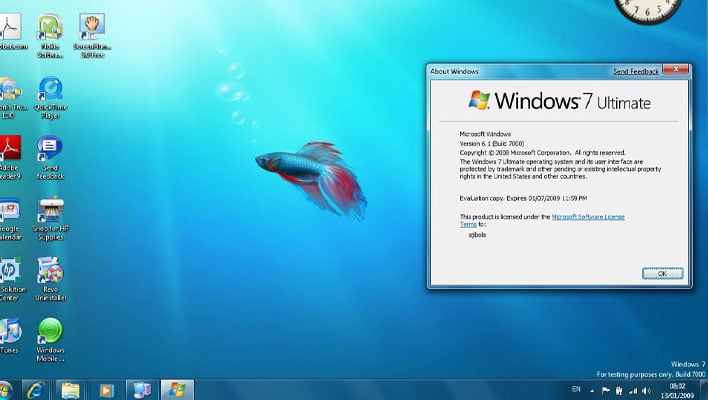
The bug in question is a zero-day remote code execution vulnerability in IE. If exploited, an attacker could corrupt a system’s memory in such a way that they would then be able to run arbitrary code in the connect of the current user. In other words, if a person is logged in as an administrator and falls prey to this attack, the malicious actor could take full control of their system.
Microsoft anticipates rolling out a fix to supported versions of Windows during the next Patch Tuesday roll out. Barring a change of heart, Windows 7 will not be included (save for businesses paying for extended support).
“Now that we have reached end of support, those customers without paid Extended Security Updates (ESUs) will not receive new security updates. We remain committed to helping our customers remain secure as they modernize their systems and make the move to Windows 10. While we provide long lead times for upgrades, we understand that some customers still need more time, which is why we have several options for our customers— services like Microsoft FastTrack to expedite migrations, desktop virtualization using Windows Virtual Desktop (which includes Extended Security Updates for three years), or paying for Extended Security Updates (ESUs) annually for up to three years. We will continue to work with our customers on the path that makes the most sense for them beyond the end of support date,” Microsoft said in a statement.
In this case, Microsoft said it is aware of “limited targeted attacks” leveraging the bug in IE. Though it is a zero-day exploit, it’s also a much different situation than WannaCry. I fully understand that Windows 7 users might be frustrated at Microsoft drawing a hard line so close the end-of-support of date, but I’m not willing to rake the company over the coals on this decision. Windows 7 is retired, and any future pro bono support updates should be seen as a bonus, not an expectation.
‘).insertAfter(jQuery(‘#initdisqus’));
}
loadDisqus(jQuery(‘#initdisqus’), disqus_identifier, url);
}
else {
setTimeout(function () { disqusDefer(); }, 50);
}
}
disqusDefer();
function loadDisqus(source, identifier, url) {
if (jQuery(“#disqus_thread”).length) {
jQuery(“#disqus_thread”).remove();
}
jQuery(‘
‘).insertAfter(source);
if (window.DISQUS) {
DISQUS.reset({
reload: true,
config: function () {
this.page.identifier = identifier;
this.page.url = url;
}
});
} else {
//insert a wrapper in HTML after the relevant “show comments” link
disqus_identifier = identifier; //set the identifier argument
disqus_url = url; //set the permalink argument
//append the Disqus embed script to HTML
var dsq = document.createElement(‘script’); dsq.type = ‘text/javascript’; dsq.async = true;
dsq.src = ‘https://’ + disqus_shortname + ‘.disqus.com/embed.js’;
jQuery(‘head’).append(dsq);
}
jQuery(‘.show-disqus’).show();
source.hide();
};
function disqusEvent()
{
idleTime = 0;
}